Commercial Demolition in Southern Maine: What Business Owners Need to Know
From Restaurant Buildouts to Full Teardowns, How Briggs Handles Commercial Projects
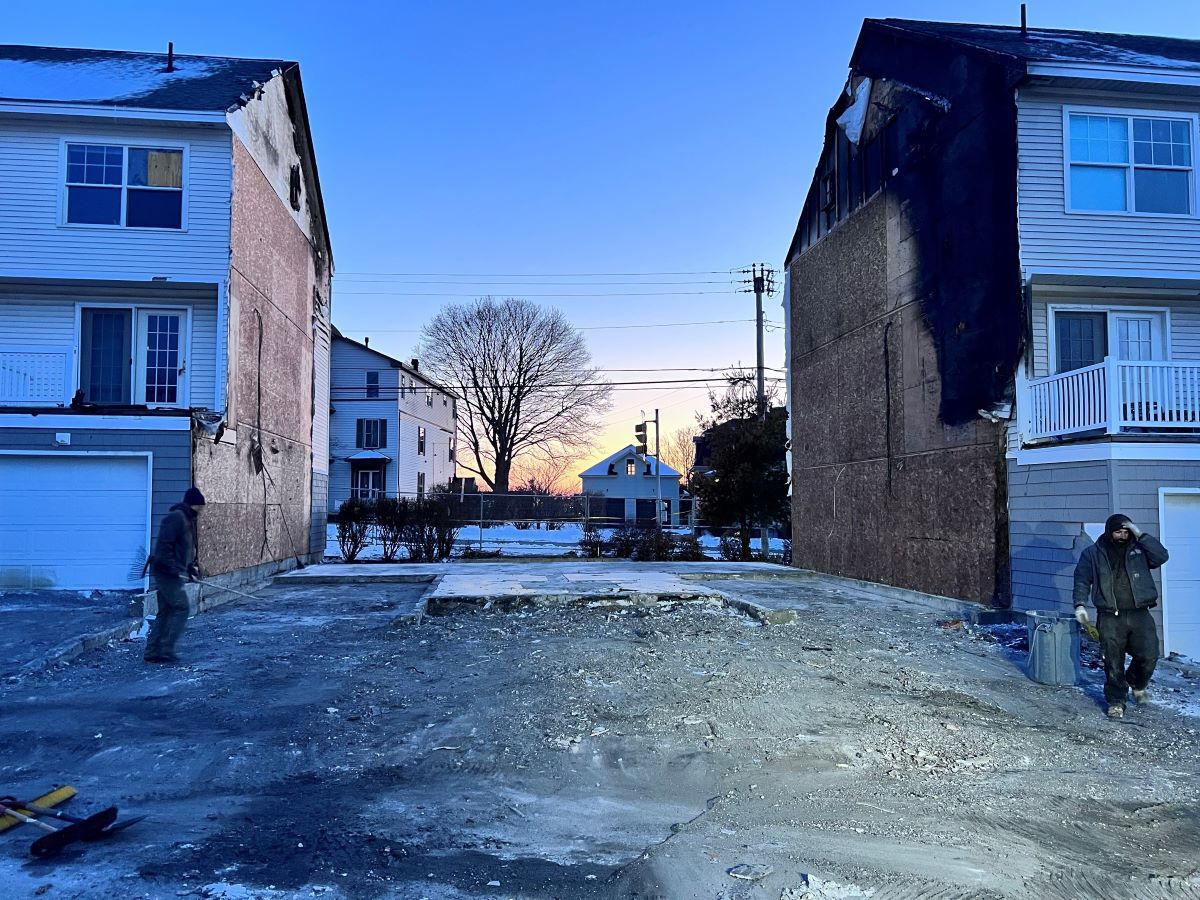
Commercial demolition is a different animal from tearing down a backyard shed. There's a lease to protect, a business next door that can't lose foot traffic, permits that move on a different timeline than residential work, and a schedule that often has to work around store hours instead of the other way around. If you're a business owner, property manager, or developer planning a renovation or teardown in Southern Maine, understanding how commercial demolition actually works can save you weeks of delay and thousands of dollars in avoidable mistakes.
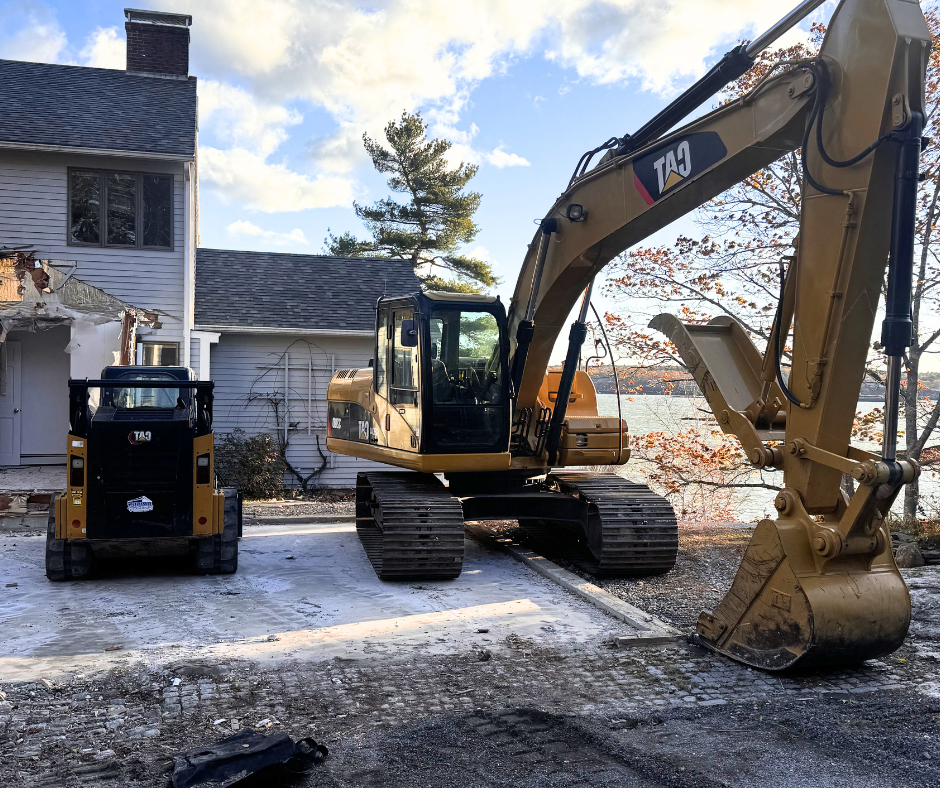
Briggs Contracting has handled commercial demolition projects across Portland, Westbrook, and Southern Maine area —from quick-service restaurant buildouts to full teardowns of aging hotel and retail structures. Here's what to expect, and what separates a smooth commercial demolition project from a costly one.
What Counts as Commercial Demolition
Commercial demolition covers a broader range of work than most business owners expect. It's not always a full building teardown — often it's a partial or interior job that clears the way for new construction. Common commercial demolition scopes include:
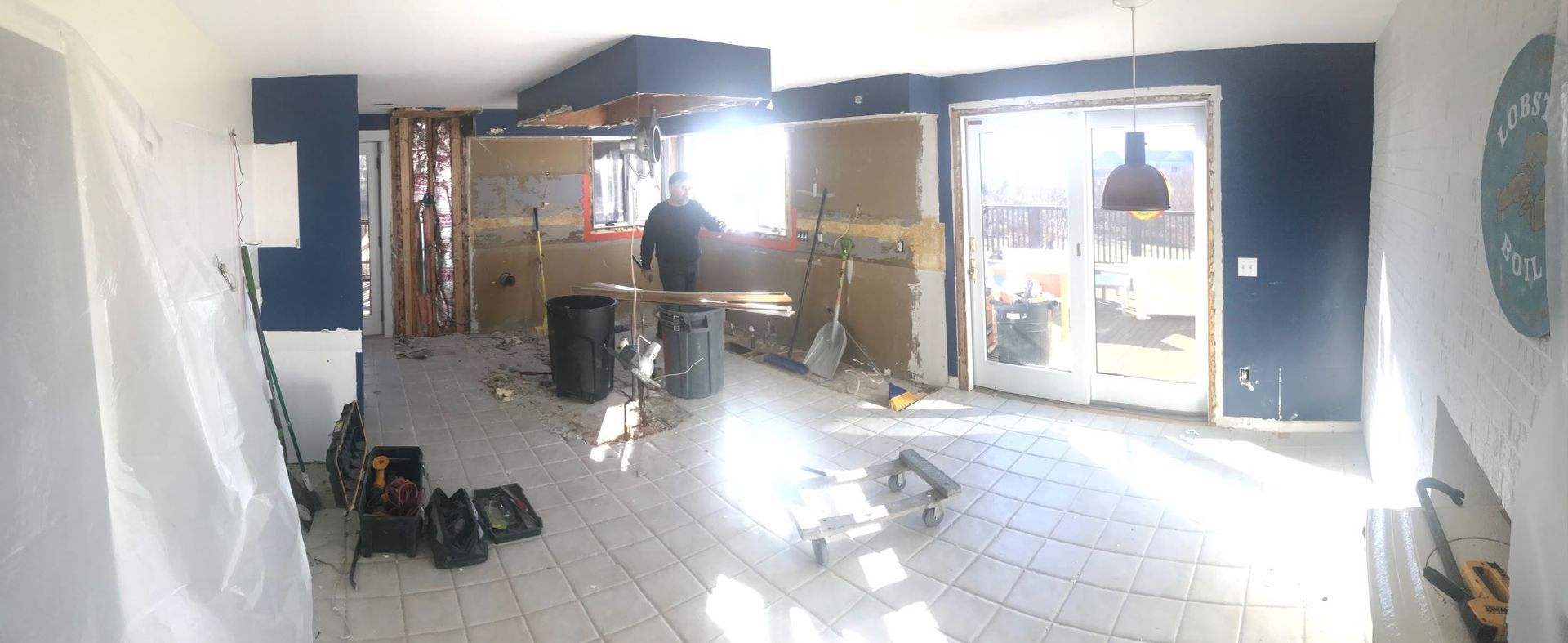
- Interior strip-outs for restaurant, retail, or office buildouts, removing everything down to the studs
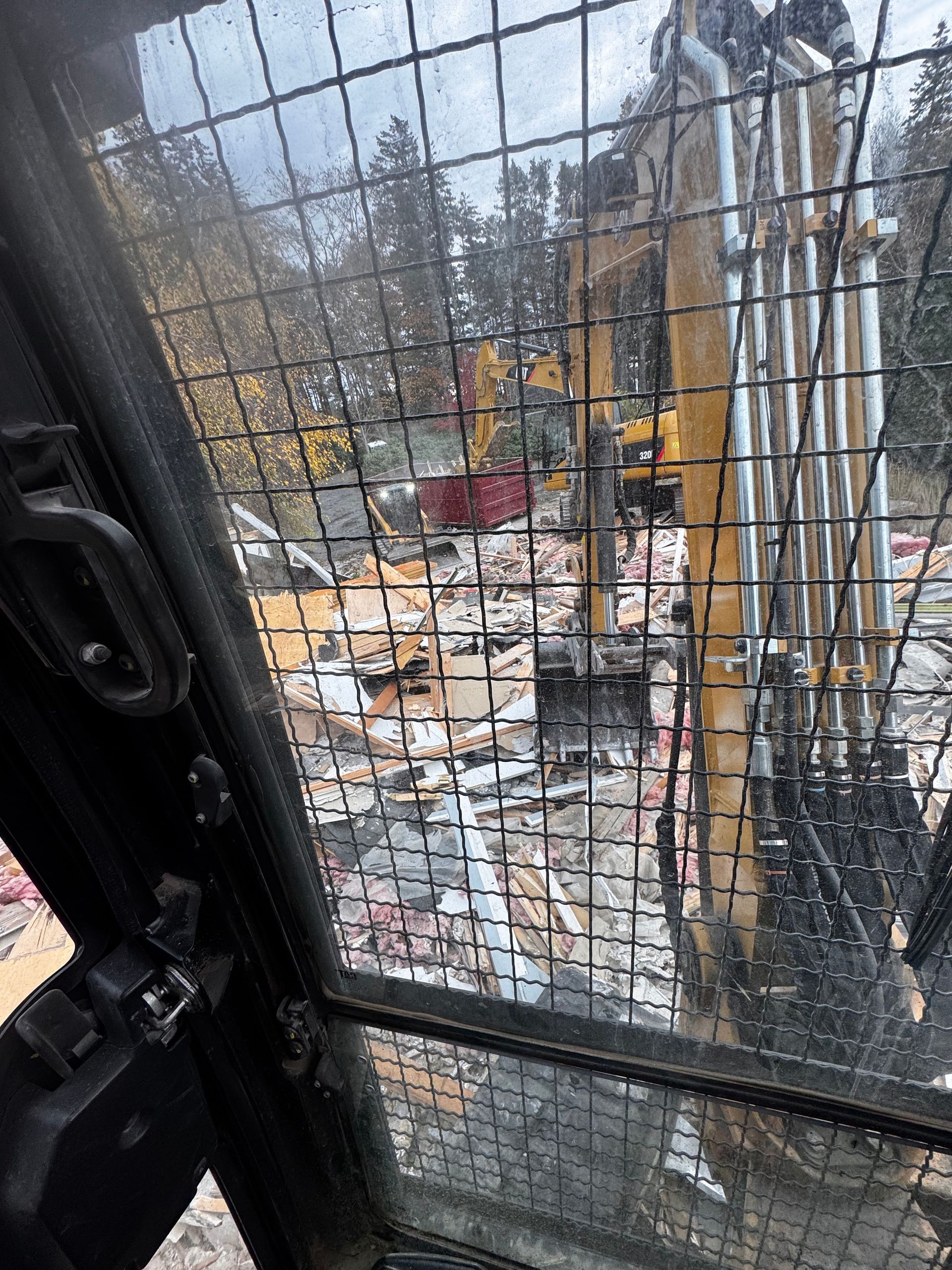
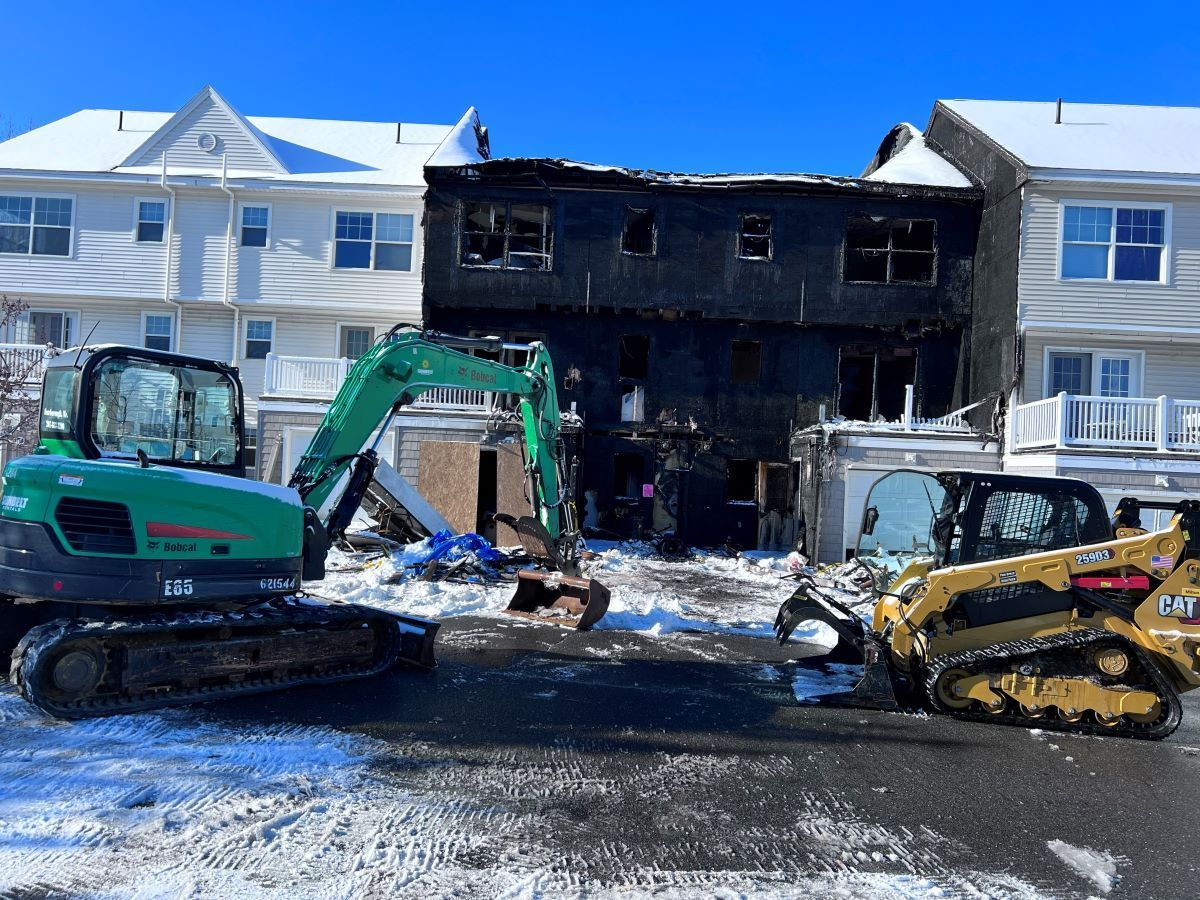
- Full building teardowns for aging or fire-damaged commercial structures
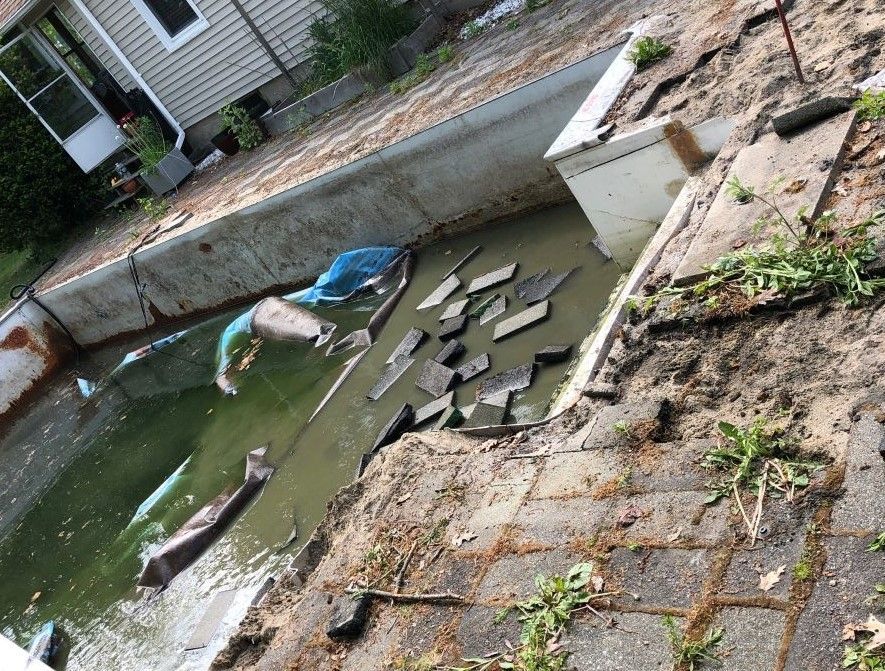
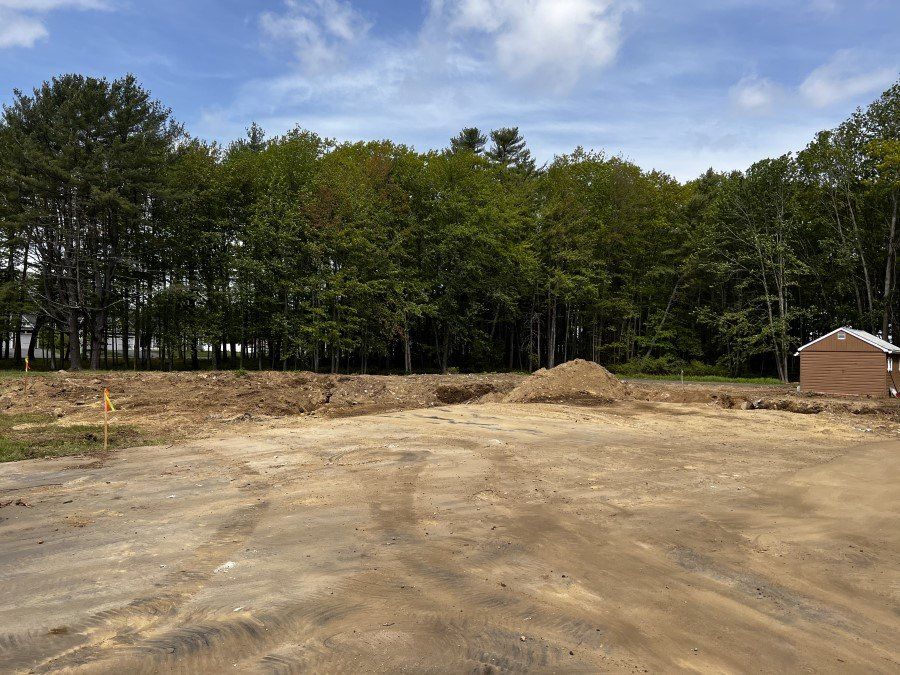
- Site clearing ahead of new commercial construction, including old foundations, pavement, and utility structures
- Selective demolition in occupied buildings, where part of a structure comes down while the rest stays operational
- Hotel and hospitality renovations, where guest areas and back-of-house operations often need to keep running during the work
Briggs Contracting's commercial portfolio includes projects for national franchise locations, hospitality properties, and independent local businesses, giving the team experience across a range of commercial building types and constraints.
Why Business Owners Choose a Professional Commercial Demolition Contractor
A few factors make commercial demolition worth handing to a specialist rather than treating it as an extension of general construction cleanup.
Minimizing Downtime
Every day a commercial property sits mid-demolition is a day it isn't generating revenue. An experienced commercial demolition contractor sequences the work — permitting, utility disconnects, structural teardown, debris haul-off — to compress the timeline as much as safety allows, and can plan around business hours when part of a property needs to stay open.
Permits, Code, and Liability
Commercial demolition in Maine typically requires permitting through the local municipality, along with documentation for utility disconnection, asbestos and hazardous material assessment (common in older commercial buildings), and proper disposal of demolition debris. Getting this wrong doesn't just risk a stop-work order — it can create liability that follows the property owner long after the project wraps.
Protecting What Stays Standing
Commercial sites are rarely standalone—there's often a shared wall, an adjacent tenant space, parking lot infrastructure, or underground utilities that must be protected while the target structure comes down.
The Commercial Demolition Process With Briggs Contracting
Site Assessment & Permitting
Every commercial project starts with a site walkthrough to assess the structure, identify utilities, flag any hazardous materials, and confirm what permits the municipality will require. This is also when we set a realistic timeline — one that accounts for inspections, not just demo days.
Interior Strip-Outs vs. Full Teardowns
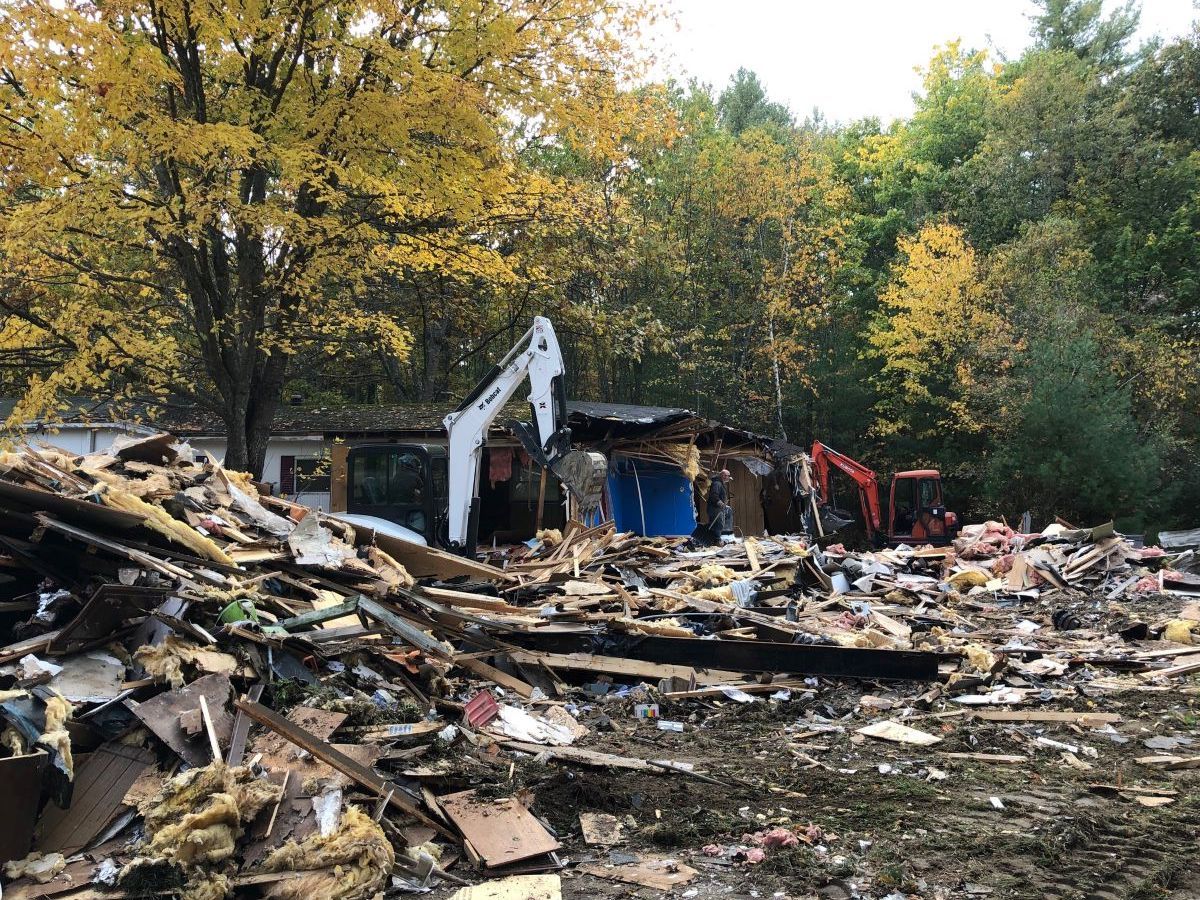
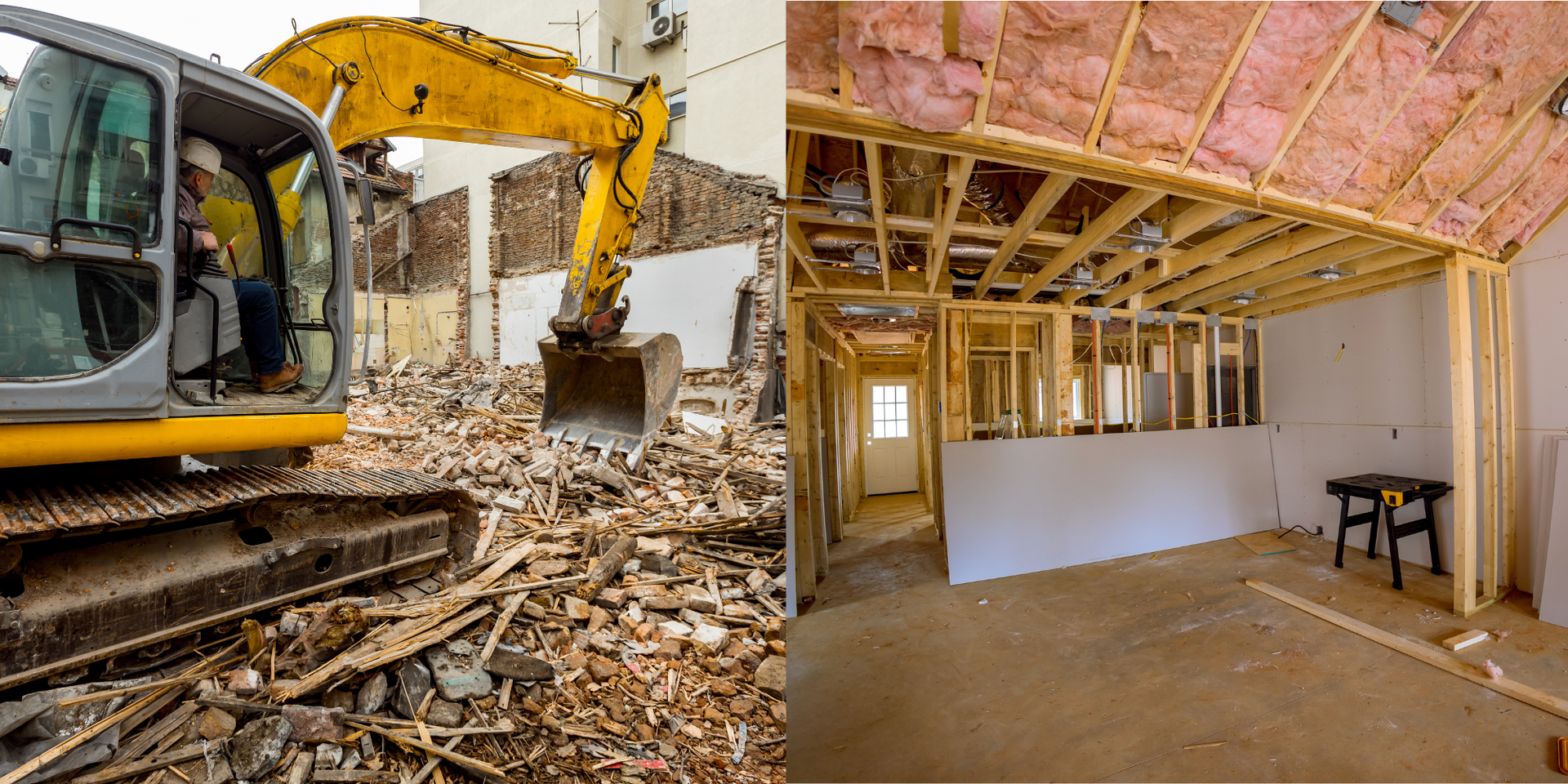
Many commercial projects don't require taking a building down to the ground. Interior strip-outs — removing flooring, fixtures, partition walls, and mechanical systems — are common ahead of a restaurant or retail buildout, and can often be completed while the surrounding property stays active. Full teardowns are reserved for structures being replaced entirely, and involve mechanical demolition, structural takedown, and complete site clearing.
Debris Removal & Site Cleanup
Commercial demolition generates a significant volume of debris, and disposal must follow Maine's waste-handling requirements. A clean, fully cleared site — not just a knocked-down building — is the actual deliverable of a demolition project, and it's what allows the next phase of construction to start on schedule.
Choosing the Right Commercial Demolition Contractor in Southern Maine
Not every demolition contractor is set up for commercial work. Before hiring, business owners should confirm a contractor can show:
- Proper licensing and insurance for commercial-scale demolition, including liability coverage appropriate to the property value
- Documented commercial experience — ask for examples of similar projects, not just residential work
- A clear safety and containment plan, especially for projects near occupied spaces or public sidewalks
- Emergency response capability, in case unexpected conditions (structural instability, utility issues) surface mid-project
- A single point of contact who can coordinate with your general contractor, architect, or property management team
Briggs Contracting has earned recognition for its commercial and residential demolition work, including a Silver Award for Best Contractor/Remodeler in Best of 207 and an Elite Service Award from HomeAdvisor.
FAQ
How long does commercial demolition take?
Timelines vary widely based on building size and scope, but a typical interior strip-out can take a few days to two weeks, while a full commercial teardown may run several weeks once permitting, utility disconnects, and debris removal are factored in.
Do I need permits for commercial demolition in Maine?
Yes. Most municipalities in Southern Maine require a demolition permit, and larger commercial structures may also need hazardous material assessments before work can begin. A contractor experienced in commercial demolition will handle this process as part of the project.
Can demolition happen while my business stays open nearby?
Often, yes. Selective and interior demolition can frequently be scheduled and contained in a way that allows neighboring tenants or the rest of a property to continue operating, though this depends on the specific building layout and scope of work.
What happens to the debris and materials?
Demolition debris is hauled off-site and disposed of in accordance with Maine waste-handling regulations. Depending on the project, some materials such as concrete or metal may be recycled rather than landfilled.
Does Briggs handle both interior strip-outs and full building teardowns?
Yes. Briggs Contracting's commercial work spans everything from restaurant and retail interior strip-outs to complete teardowns of aging commercial structures across Southern Maine.
Ready to scope your commercial demolition project? Call Briggs Contracting at (207) 939-7807 or email office@briggscontractingmaine.com for a project consultation.