Concrete & Foundation Removal: What Happens After the Structure Comes Down
Tearing down the building is only half the job — here's what it takes to actually clear the site.
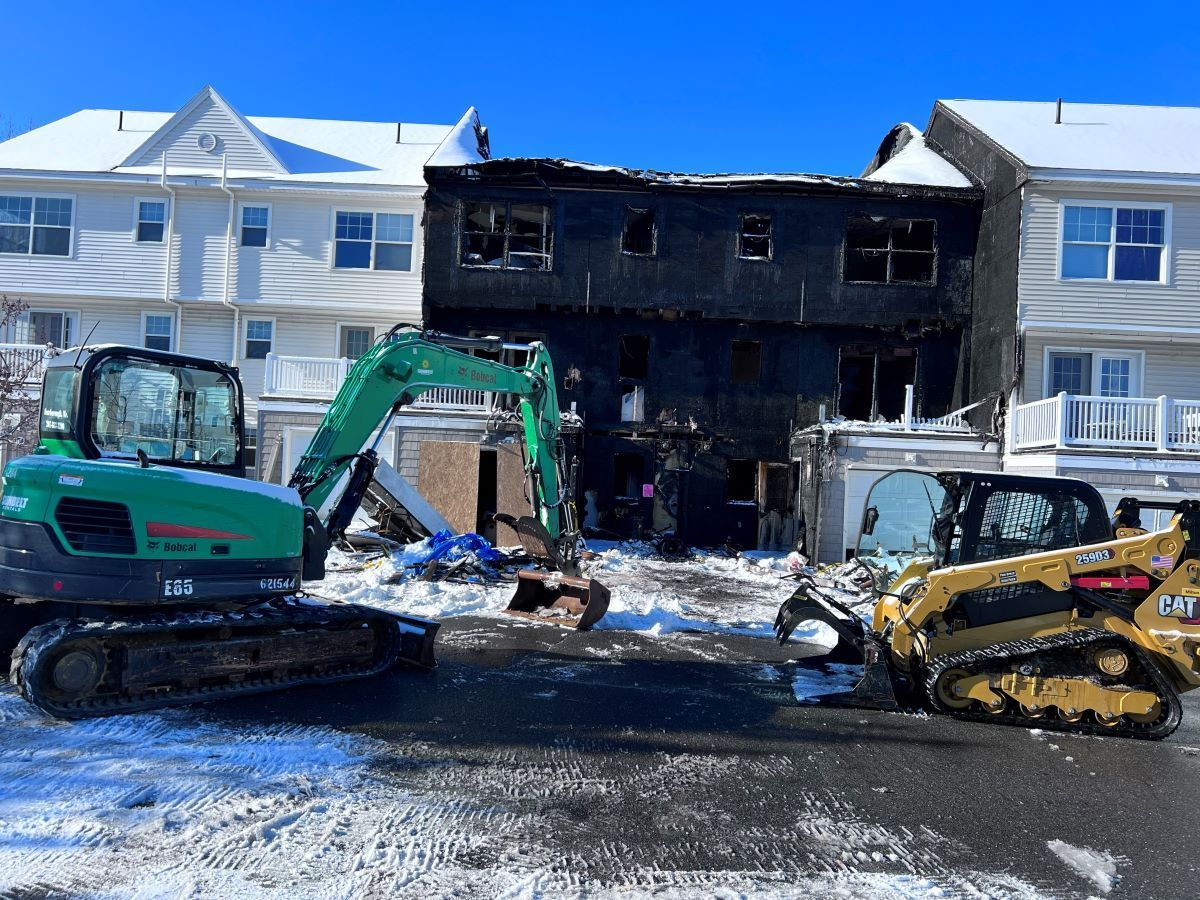
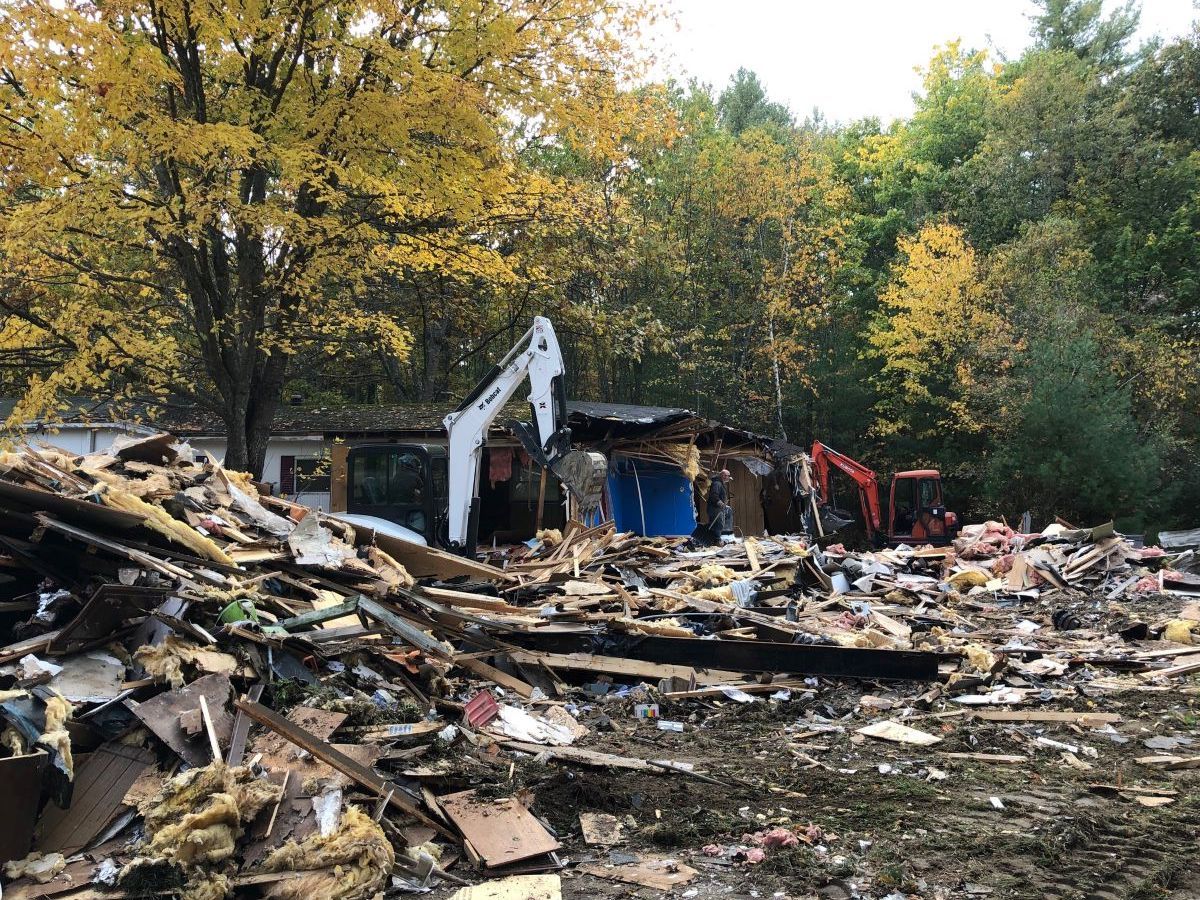
When people think about demolition, they usually picture the dramatic part: a building coming down. But for most projects, that's only the first phase. Once the structure is gone, there's often a slab, footings, or a full foundation still sitting in the ground — and clearing that away is its own job, with its own equipment, timeline, and cost. Here's what's actually involved once the building itself is out of the picture.
Why Foundation Removal Is a Separate Phase
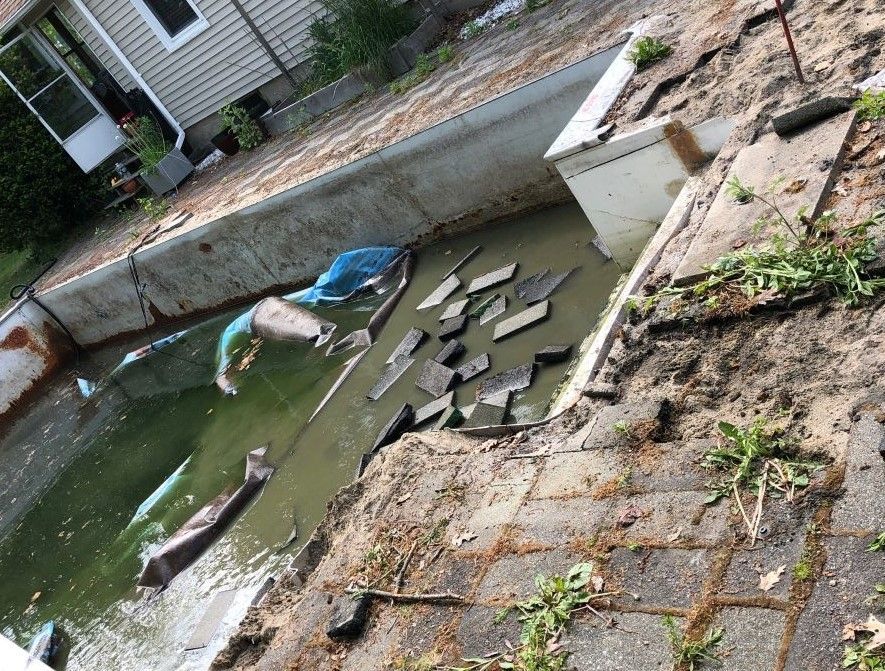
A poured concrete slab or foundation wall isn't just sitting on top of the ground — it's often reinforced with rebar, tied into footings that extend below the frost line, and in some cases connected to old utility lines or septic systems that were run underneath it. Removing all of that safely and completely takes different equipment than tearing down framing, siding, or roofing.
This is also where a lot of the real cost of a demolition project shows up. It's not unusual for foundation and slab removal to take as much time and effort as the structure that stood above it — sometimes more, depending on the size and thickness of the concrete.
How Concrete and Foundation Removal Works
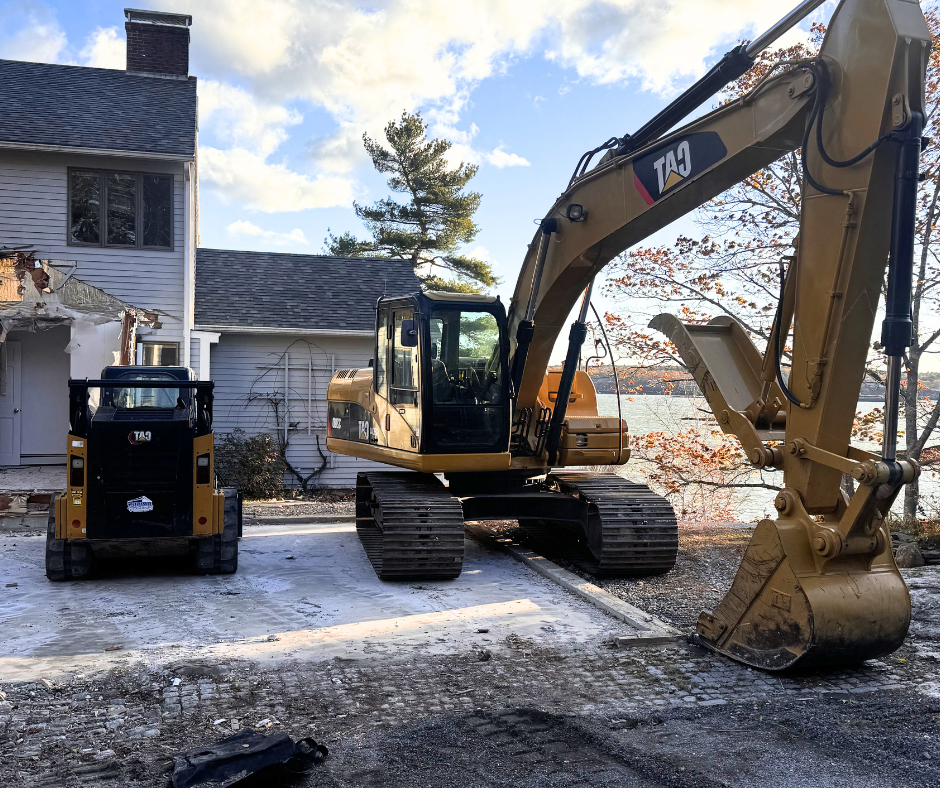
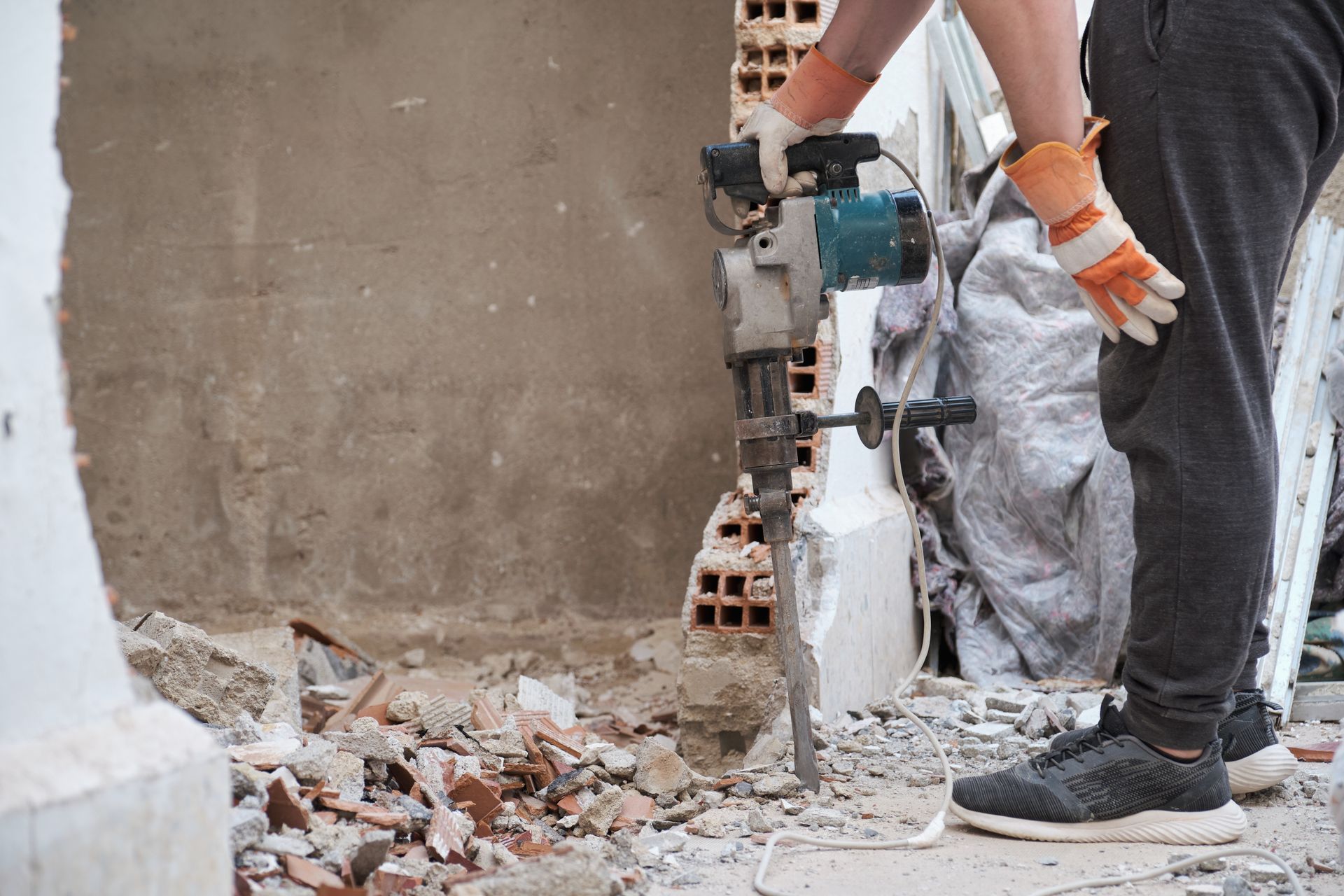
1. Breaking up the concrete. Heavy equipment is used to break slabs, footings, and foundation walls into manageable pieces. The size and reinforcement of the concrete determines what equipment is needed.
2. Separating rebar and debris. Steel reinforcement is separated out from the broken concrete, since it's recycled differently and can't just be hauled off with everything else.
3. Hauling or crushing. Depending on the site and what's planned next, concrete debris is either hauled off to a recycling facility (where it may be crushed and reused as fill or aggregate) or removed to a disposal site.
4. Checking for what's underneath. Older foundations sometimes have surprises buried beneath or around them — old oil tanks, abandoned septic systems, or utility lines that were never properly documented. Part of a thorough foundation removal is checking for these before calling the site clear.
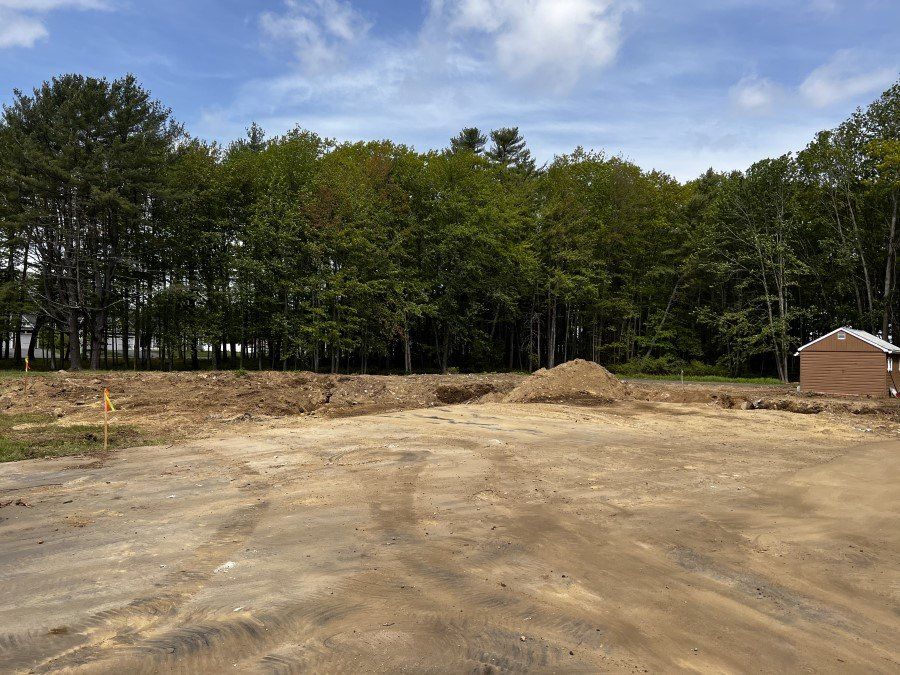
5. Backfilling and grading. Once the concrete and any buried surprises are dealt with, the excavated area is backfilled with proper fill material and graded so the site is level and stable — ready for a new foundation, landscaping, or whatever comes next.
"Cleared" vs. "Ready to Build" — They're Not the Same Thing
This is one of the most common misunderstandings property owners run into. A site can look cleared — no visible debris, no structure — and still not be ready for new construction if the foundation is still in the ground, or if backfilling and grading haven't been done properly. Building on improperly backfilled ground can lead to settling issues down the road, which is a much more expensive problem to fix after the fact than it would have been to do the grading correctly the first time.
If your plan is to build again on the same footprint, it's worth confirming with your contractor exactly what "cleared" includes — full foundation removal and proper grading, or just what's above ground.
Recycling vs. Landfill Disposal
Concrete doesn't have to end up in a landfill. Many facilities accept broken concrete for crushing and reuse as fill, driveway base, or aggregate for future projects. This can also reduce disposal costs compared to standard landfill fees, so it's worth asking your contractor whether recycling is an option for your site.
Questions to Ask Before Foundation Removal Begins
- Is full foundation and footing removal included, or just the slab?
- How will old utility lines, oil tanks, or septic systems be handled if they're found underneath?
- Will the concrete be recycled or hauled to a landfill?
- What does backfilling and grading include, and is the site guaranteed to be build-ready afterward?
- How does foundation removal affect the overall project timeline and cost?
Let Briggs Contracting Take It All the Way Down
A demolition project isn't finished until the ground underneath is properly cleared, too. Briggs Contracting handles the full scope of demolition throughout Southern Maine — from the structure down to the foundation, backfilling, and grading — so you're left with a site that's genuinely ready for what's next, not just one that looks that way.
Ready to clear your site the right way? Call us at (207) 939-7807 or reach out through our website to get your project scheduled.
Briggs Contracting — "The Demo King" — proudly serving the Portland, Maine area.