When Storm Damage Strikes: Emergency Demolition & Debris Removal in Maine
How Briggs Contracting Responds Fast to Fallen Trees, Damaged Structures, and Storm Debris
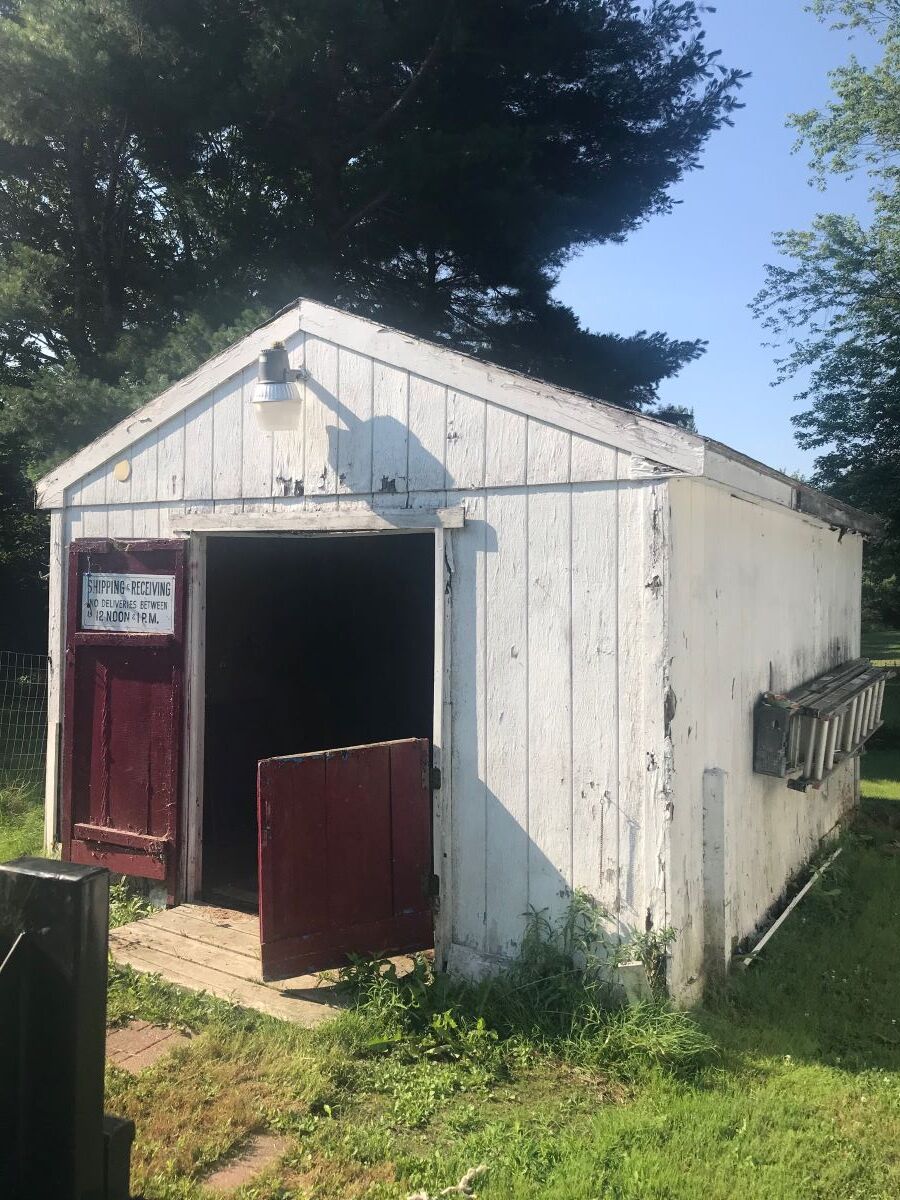

Fall in Southern Maine brings more than colorful leaves — it also brings nor'easters, high winds, and heavy rain that do the most damage to trees, sheds, garages, decks, and fencing. When a storm brings down a tree on your garage or tears a section of roof off a shed, the priority isn't a full renovation plan — it's getting the hazard safely removed before it causes more damage or puts anyone at risk.
Briggs Contracting provides emergency demolition and debris removal for homeowners and businesses across Portland, Westbrook, and Southern Maine, and can respond quickly when storm damage can't wait for a standard project timeline.
What Counts as Storm-Related Emergency Demolition
Not every storm cleanup requires demolition, but many do. Common emergency scenarios include:
- A fallen tree that has damaged or partially collapsed a shed, garage, deck, or fence
- Wind-damaged structures that are no longer safe to leave standing
- A structure destabilized by flooding or saturated ground
- Debris blocking a driveway, walkway, or access point that needs to be cleared quickly
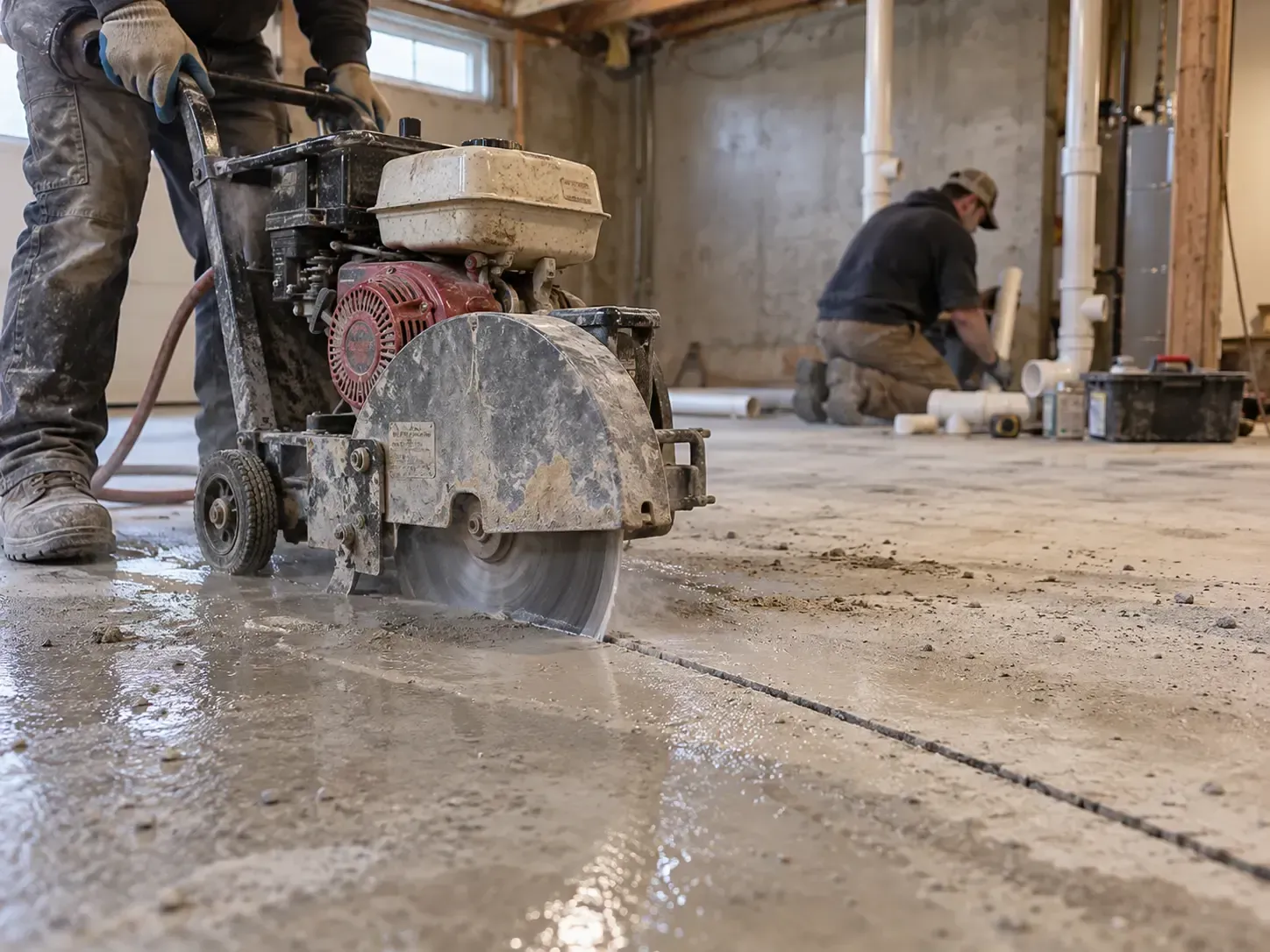
- Storm-damaged concrete, asphalt, or masonry that's become a safety hazard
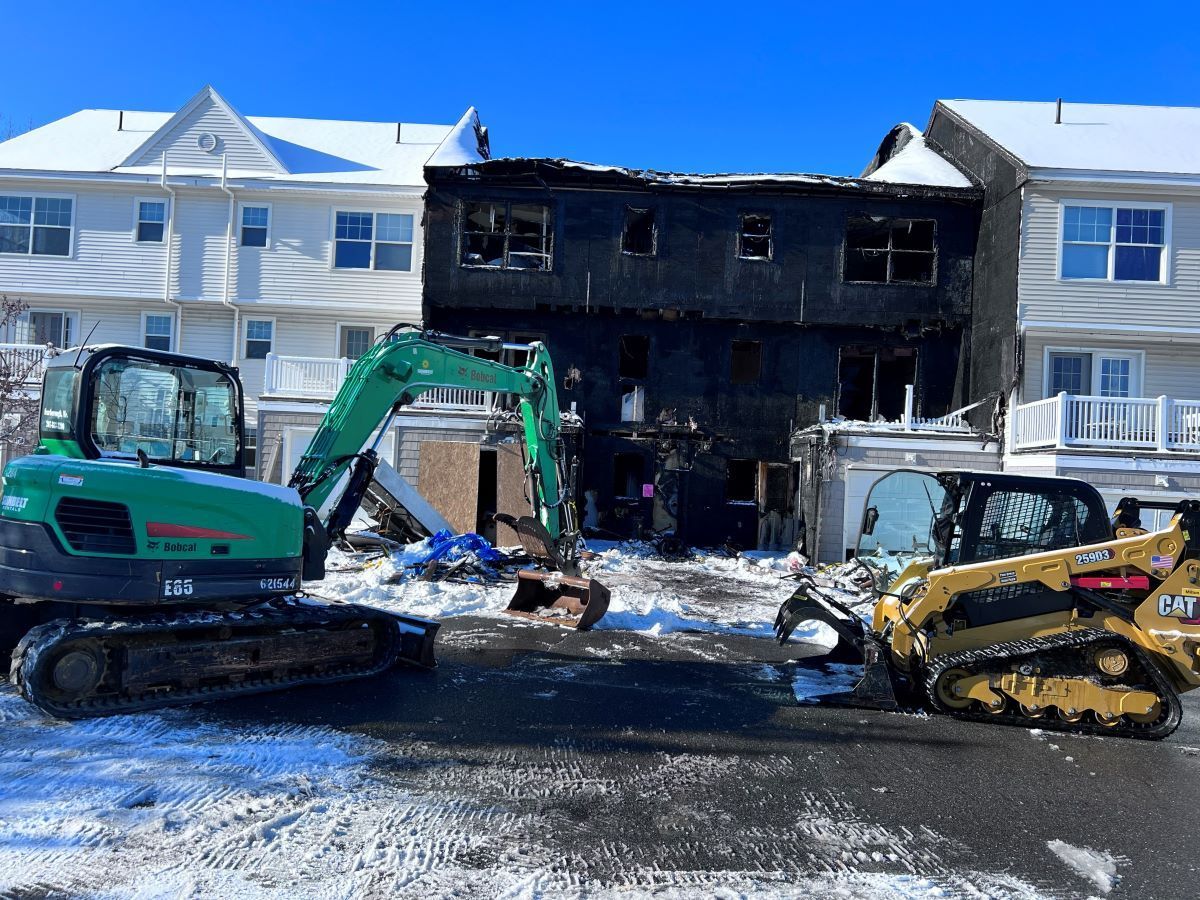
In many cases, what looks like a simple cleanup job actually requires careful demolition—a damaged structure that's still partially standing can be more dangerous to take apart than one that's already fully down.
Why Speed Matters After a Storm
Safety Hazards Don't Wait
A partially collapsed structure, a tree under tension against a building, or exposed nails and debris in a yard are active hazards, especially with kids, pets, or neighbors nearby. Fast, professional removal reduces the window where someone could get hurt.
Insurance Documentation
Most homeowners insurance policies require documentation of storm damage before cleanup begins. Coordinating removal with proper documentation helps ensure the claim process isn't delayed by missing evidence. Maine Bureau of Insurance guidance on filing a storm damage claim.
Preventing Further Damage
A damaged structure left in place can deteriorate further with each additional rain event, turning a contained repair into a larger, more expensive project.
The Emergency Response Process With Briggs Contracting
Rapid Site Assessment
The first step after a call is assessing what's actually damaged, what's safe to approach, and what equipment the job requires — a fallen tree on a shed is a very different job than a collapsed retaining wall or storm-damaged concrete pad.
Safe Removal & Debris Hauling
Once we assess the site, we remove damaged structures and debris and haul them off-site, clearing the hazard and the mess in the same visit rather than leaving homeowners to coordinate separate haul-away service.
Working With Insurance Documentation
Photos and notes from the site assessment can support a homeowner's insurance claim, and the completed work can be documented for claims that require proof of professional removal.
What to Do Immediately After Storm Damage
- Stay clear of downed power lines and anything a fallen tree may be resting against
- Take photos of the damage before anything is moved or cleaned up, for insurance purposes
- Contact your insurance company to understand your policy's storm damage process
- Call a licensed demolition contractor rather than attempting to remove large debris or damaged structures yourself
- Avoid entering a partially collapsed structure until it's been assessed as safe
Preventing Storm Damage Before the Next One Hits
Some storm damage is preventable. Removing a failing shed, an old deck that's already structurally compromised, or a dead tree before the next major storm can prevent a hazard from becoming an emergency — proactive removal is almost always less disruptive than emergency cleanup after the fact.
FAQ
How quickly can you respond after storm damage?
Response time depends on the scope of the damage and current scheduling, but Briggs Contracting prioritizes storm-related emergency calls given the safety concerns involved. Call directly to discuss your situation.
Should I take photos before cleanup for insurance?
Yes. Most insurance policies require documentation of damage before cleanup or repairs begin, so photographing the damage as soon as it's safe is an important first step.
Do you remove fallen trees, or just structures?
Briggs Contracting handles the demolition and removal of storm-damaged structures and related debris. For standalone tree removal unconnected to a damaged structure, a tree service may be the better first call, though Briggs can often coordinate the structural side of a combined cleanup.
Is emergency demolition covered by homeowners insurance?
Many homeowners policies cover storm-related debris removal and demolition, but coverage details vary by policy. Confirm with your insurance provider before or shortly after work begins.
What if a downed tree is still in contact with power lines?
Do not attempt to approach or remove anything in contact with power lines. Contact your utility company immediately, and wait for confirmation that the area is safe before starting any demolition or cleanup work.
Dealing with storm damage right now? Call Briggs Contracting at (207) 939-7807 or email office@briggscontractingmaine.com for emergency demolition and debris removal.