Asbestos, Lead Paint & Older Buildings: What to Know Before Demolition in Maine
How Briggs Contracting Plans Safe, Compliant Teardowns and Gut Jobs for Homes and Commercial Properties

Southern Maine is full of older buildings: farmhouses, mill-era commercial blocks, mid-century homes, and storefronts renovated a dozen times. That history is part of their character, but it also means many of them contain materials that were common decades ago and are now regulated. Asbestos and lead paint come up most often, and both can change how a demolition or interior gut project is planned, scheduled, and priced.
Briggs Contracting handles residential and commercial demolition across Portland, Westbrook, and Southern Maine. Here is what property owners should understand before a wrecking ball or excavator touches an older structure.
Why Older Buildings Need a Closer Look
Asbestos was widely used in building materials for much of the 20th century, and lead-based paint was common in homes built before 1978. Neither is a problem as long as it stays intact and undisturbed. Demolition and renovation are exactly the activities that disturb them, which is why you need to identify these materials before work begins, not discover them halfway through.
The practical risk for a property owner is twofold. Dust can pose health and safety risks to workers, occupants, and neighbors, and a project can face schedule and cost risks if a suspect material turns up mid-demolition.
Where These Materials Hide
Common Asbestos-Containing Materials
In buildings from the era when asbestos was in common use, it can show up in places that aren't obvious from the outside:
- Old floor tile and the mastic adhesive beneath it
- Pipe and boiler insulation in basements and mechanical rooms
- Roofing materials and some siding products
- Plaster, joint compound, and textured ceilings
- Cement-based panels and certain exterior shingles
Appearance alone can't confirm a material's contents. Only laboratory testing can.
Lead Paint in Homes and Older Commercial Spaces
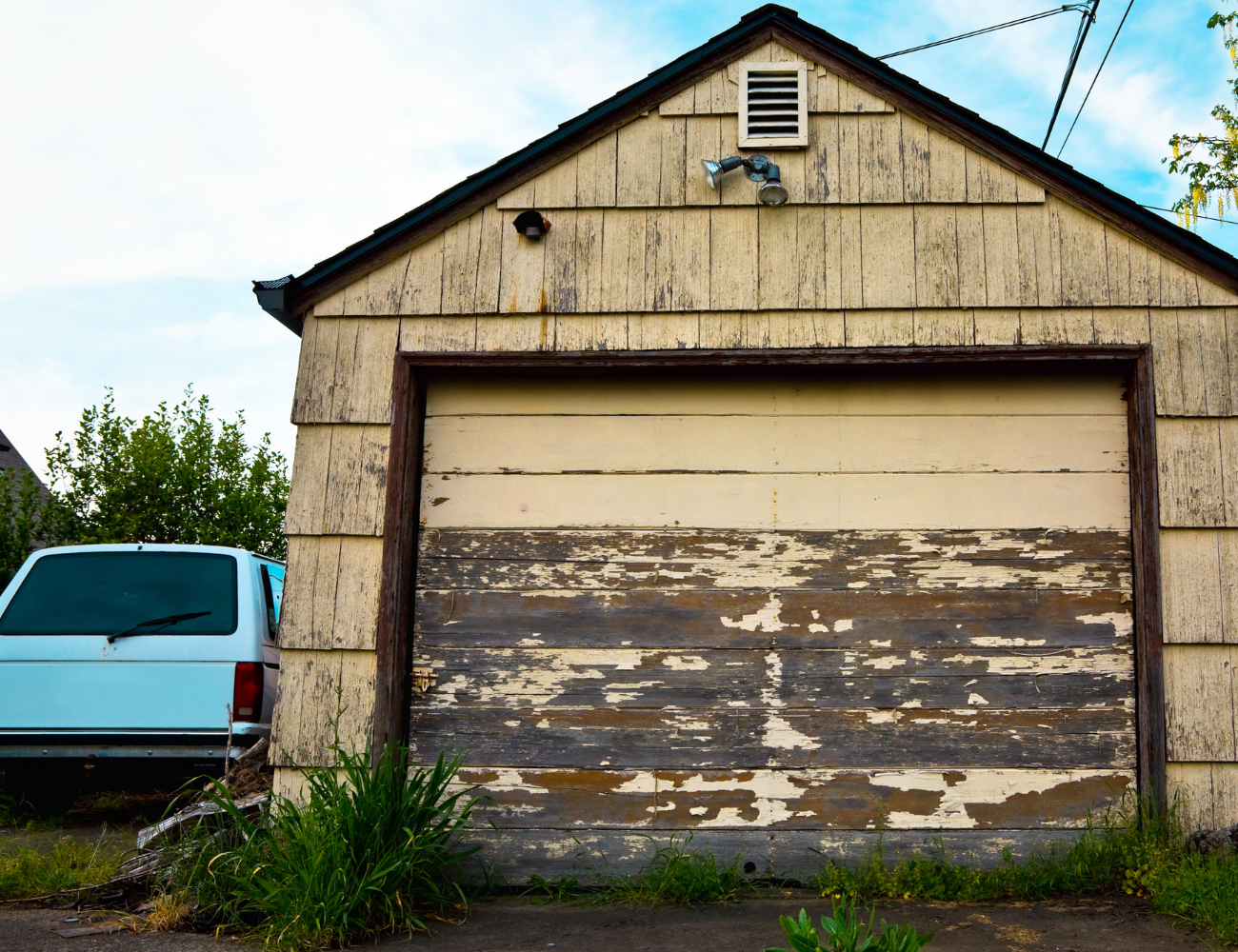
Lead-based paint is most associated with homes built before 1978, but older commercial and mixed-use buildings can have it too, especially on trim, windows, doors, and exterior surfaces. It matters most when surfaces will be cut, sanded, scraped, or demolished, since that creates dust and debris that need to be handled properly.
The Process: What Happens Before Demolition Starts
Step 1: Survey and Testing
For older structures, the first step is typically a hazardous materials survey by a qualified inspector, with samples of suspect materials sent for lab analysis. Maine regulates asbestos work, and inspection requirements can apply to demolition and renovation projects, particularly on commercial and multi-unit properties. Confirm current requirements with the Maine Department of Environmental Protection before you finalize a schedule. Maine DEP asbestos program
Step 2: Abatement by Licensed Professionals
If regulated materials are found, appropriately licensed professionals generally need to remove them before general demolition can proceed. That is a separate, specialized scope from demolition itself, and it needs to be sequenced into the project plan rather than treated as an afterthought.
Step 3: Demolition Planning Around the Findings
Once the survey results are in, the demolition plan can be set realistically: what comes out first, what can be demolished mechanically, how debris is handled and disposed of, and how adjacent spaces or neighboring properties are protected. This is where early testing pays off, since it turns unknowns into line items.
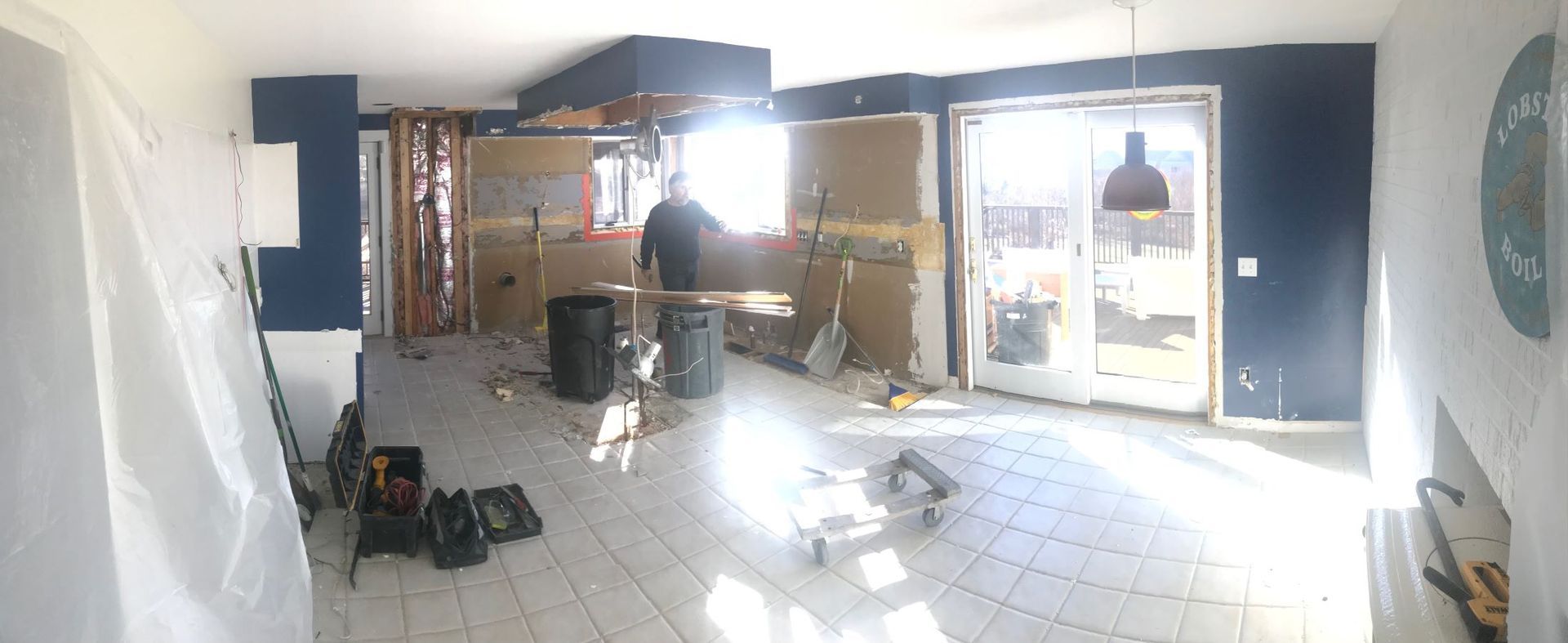
interior-demolition-101-maine "how interior demolition works before a renovation
What This Means for Your Timeline and Budget
Testing adds time at the front of a project, usually days to a couple of weeks depending on lab turnaround, and abatement, if needed, adds its own phase. Owners who test early can build that into the schedule. Owners who skip it often pay more later, through stop-work situations, rework, or disposal costs that weren't in the original budget.
For commercial owners, there's an additional reason to document everything: lenders, insurers, and future buyers often want to see that hazardous materials were properly identified and handled.
Questions to Ask Any Demolition Contractor
- How do you handle properties built before 1978 or with suspect materials?
- Do you require or coordinate a hazardous materials survey before starting?
- How is the abatement phase sequenced with demolition?
- How do you document and dispose of debris and waste?
- How do you protect occupied adjacent spaces or neighboring properties?
FAQ
Do I need an asbestos inspection before demolishing a house?
Requirements vary by property type and scope of work, and commercial and multi-unit properties are more heavily regulated than a single-family home. Because rules can change, check with the Maine DEP or ask your contractor to confirm current requirements before you schedule work.
How can I tell if my building has asbestos or lead paint?
You can't reliably tell by looking. Age is a clue (especially pre-1978 buildings), but only testing by a qualified professional confirms what is present.
Can I demolish an older building myself to save money?
Disturbing regulated materials without proper precautions can create real health risks and legal exposure. Older buildings are a poor candidate for DIY demolition.
How long does testing add to a project?
Sampling and lab results typically take days to a couple of weeks. Start that step as early as possible, especially if you want work completed before a spring construction start.
Does Briggs Contracting handle older commercial buildings?
Yes. Briggs works on residential and commercial demolition across Southern Maine. For projects involving regulated materials, the plan is built around the survey results before demolition begins.
Planning to demolish or gut an older building? Call Briggs Contracting at (207) 939-7807 or email
office@briggscontractingmaine.com
to talk through your project.