Is Your Old Barn, Shed, or Building Safe for a Maine Winter?
Warning Signs of Snow-Load Collapse, and When Removal Makes More Sense Than Repair
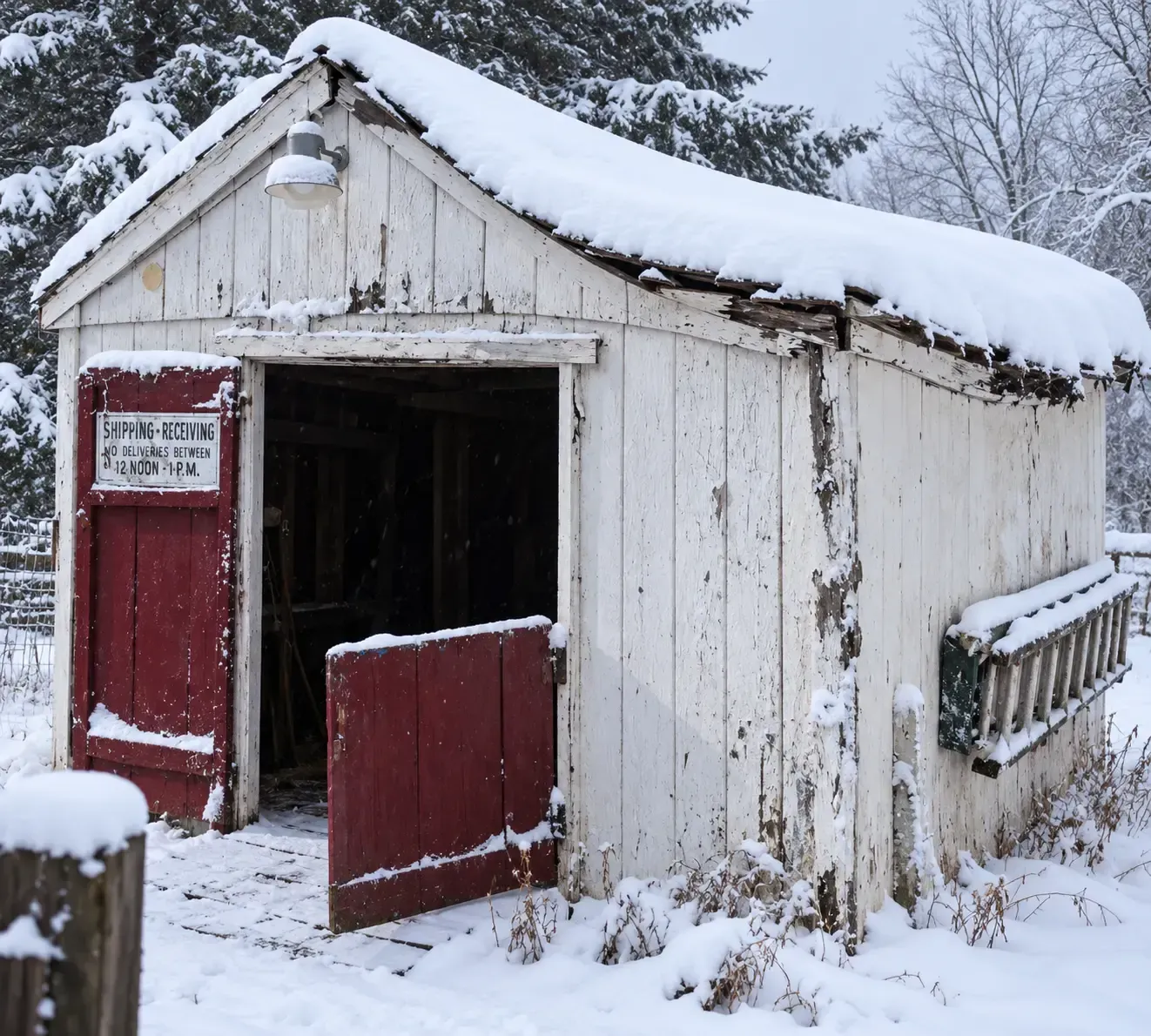
Every Maine winter tests the buildings on your property. A roof that has quietly sagged for years can carry a light dusting without trouble, then give way under a wet, heavy snowfall followed by rain. For homeowners with an old barn, garage, or shed, and for commercial owners with aging outbuildings or warehouses, the late-fall question is simple: will this structure make it through the winter?
Briggs Contracting removes aging and unsafe structures across Portland, Westbrook, and Southern Maine. If you're unsure about a building on your property, late fall is the time to find out, before the first big storm.
Why Snow Load Is Such a Big Deal in Maine
Snow is heavy, and wet snow is far heavier than fluffy powder. Rain falling on an existing snowpack makes it heavier still. A structure that was built decades ago, or one that has suffered water damage, rot, or settled foundations, may no longer have the strength it was designed with.
Older barns, sheds, and detached garages are especially vulnerable because they often have:
- Roof framing that has been cut, notched, or modified over the years
- Rot at the wall tops, rafters, or posts from long-term moisture
- Foundations or sills that have shifted, rotted, or failed
- Long roof spans with little modern bracing
Warning Signs Your Structure May Be at Risk
Look for these signs, and check from a safe distance:
- A sagging roof ridge or visible dips in the roofline
- Walls that lean, bow, or have shifted off the foundation
- Cracked, split, or rotted rafters and posts
- Doors and windows that no longer open or close properly, which can signal movement in the frame
- Daylight visible through roof boards, or active leaks
- Previous partial collapses, or sections already patched with temporary supports
Any of these is a reason to stop using the building and get a professional opinion. Don't go inside a structure you suspect is unstable, and never climb onto a snow-covered roof to shovel one that may be compromised.
[INTERNAL LINK: /signs-it-s-time-to-demolish-your-old-building "signs it's time to demolish an old building"]
Repair or Remove? How to Decide
Repair can make sense when a building has real value and the problems are limited: a localized roof repair, replaced rafters, or a corrected drainage issue. Removal often makes more sense when:
- Multiple structural elements are failing at once
- The cost of repair rivals or exceeds the value of the building
- The structure is no longer used, or is used only for storage of items you could relocate
- It sits near a driveway, walkway, property line, or another building, so a collapse could cause secondary damage
- Liability worries you, for example if people, customers, or neighbors are nearby
For commercial properties, an unsafe structure is also a liability and insurance question, not just a maintenance one.
What Removal Involves
Assessment
The first step is understanding the structure's condition and its surroundings: access for equipment, nearby utilities, adjacent buildings, and what's inside.
Clearing the Contents
Barns and sheds often hold decades of accumulated items. Planning for cleanout, and for anything that shouldn't go to a landfill, helps keep the project on schedule.
Demolition and Hauling
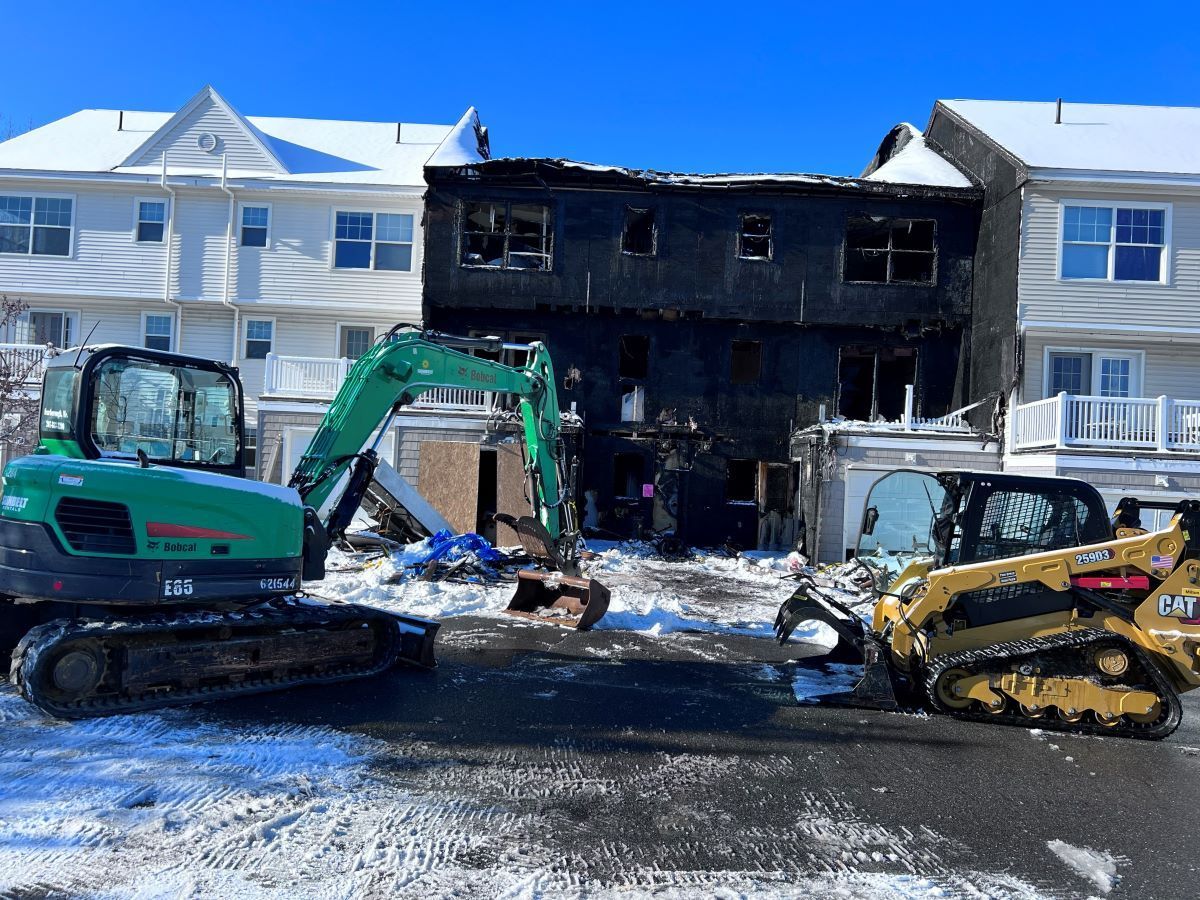
Controlled demolition keeps the structure from falling in an uncontrolled way, which matters when the building is already compromised. Debris is then sorted and hauled away, leaving the site clear. [INTERNAL LINK: /shed-garage-or-barn-removal "shed, garage, and barn removal"]
Timing: Why Late Fall Is the Window
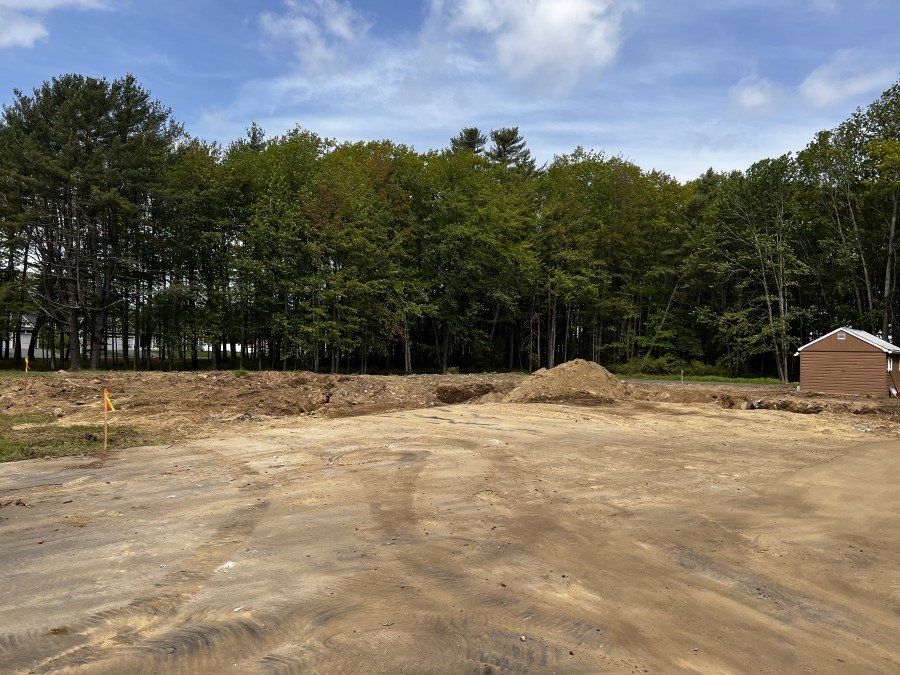
Once the ground freezes and snow accumulates, access and working conditions get harder. Demolition can still happen in winter when a structure poses an immediate risk, but scheduling before heavy snow is easier on the project and on the property. Getting a building removed in November also clears the site for spring plans, whether that's new construction, a replacement building, or simply more usable yard.
FAQ
How do I know if my barn or shed roof is about to collapse?
Look for a sagging ridge, leaning walls, cracked or rotted framing, and doors that no longer fit. If you see any of these, keep people and vehicles away and get a professional assessment.
Should I shovel snow off an old building?
Be cautious. Climbing onto a weakened roof is dangerous. If you're worried enough to consider it, that's often a sign the building needs a professional evaluation or removal.
Can you remove a building that has partially collapsed?
Yes. Partially collapsed structures can be more dangerous to take apart than standing ones, so controlled demolition by experienced crews is the safer route.
What if the building holds items I want to keep?
Plan the cleanout ahead of time and let your contractor know about anything valuable, hazardous, or sentimental so it's handled separately before demolition begins.
Does removing an old structure require a permit?
Permit requirements depend on the municipality and the type of structure. Check with your town's code enforcement office, and ask your contractor what's needed for your property.
Worried about a building on your property? Call Briggs Contracting at (207) 939-7807 or email office@briggscontractingmaine.com for an assessment before the snow flies.