Mobile Home & Trailer Removal: What Southern Maine Homeowners Need to Know
Clearing the way for what's next — safely, legally, and without the guesswork.his is a subtitle for your new post
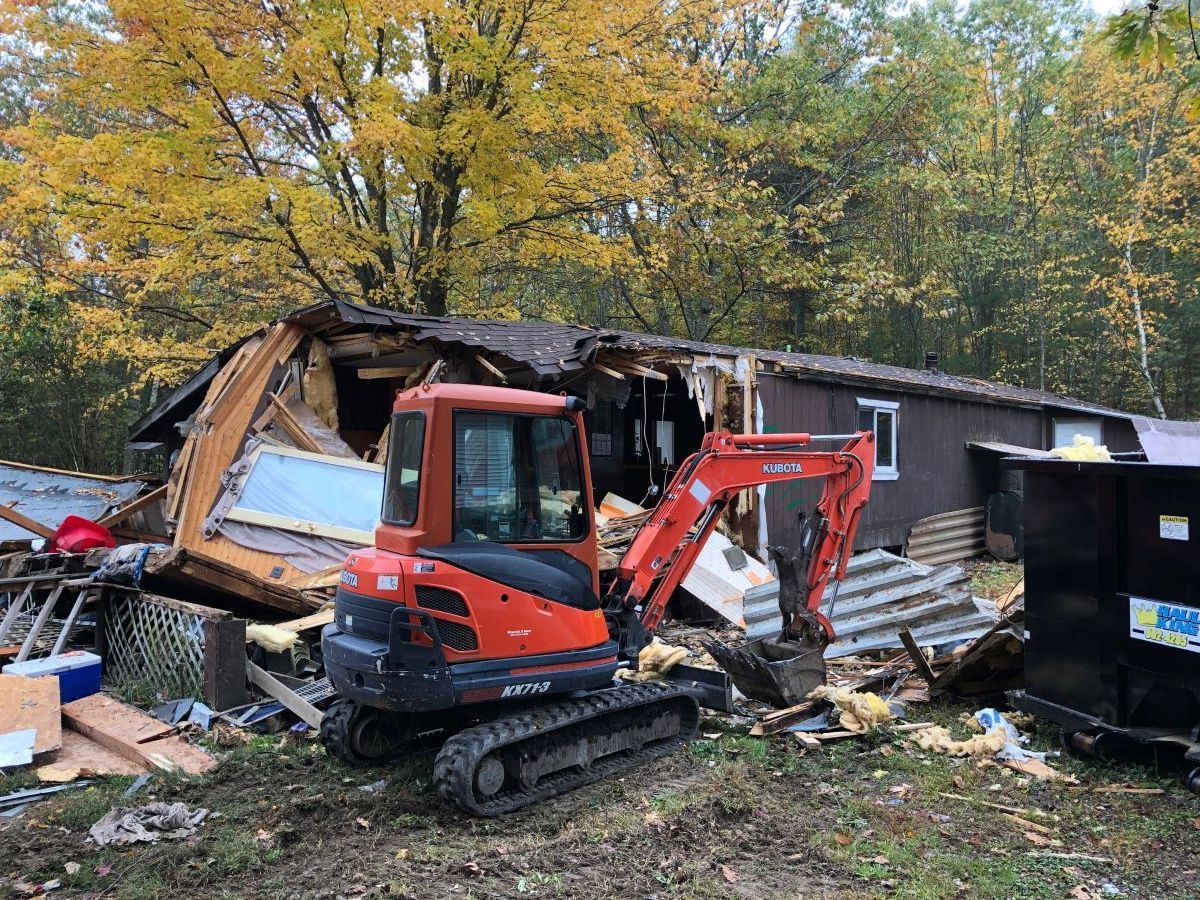
If you've got an old mobile home, single-wide, or trailer sitting on your property, you're probably facing more questions than answers. Can you just haul it away yourself? Do you need a permit? What happens to the insulation, the windows, the underbelly material? Mobile home removal isn't quite like tearing down a shed — there are a few extra steps that catch a lot of Southern Maine homeowners off guard. Here's what you need to know before you get started.
Why Mobile Home Removal Is Different From Standard Demolition
Mobile and manufactured homes were often built with materials and methods that aren't common in site-built construction — think older single-pane windows, foam or vermiculite insulation, and axles or frames that need to be handled and disposed of separately from the rest of the structure. On top of that, many of these homes sit on leased land or in parks with their own rules about removal, or on private lots where a title has to be properly retired with the state before demolition can move forward.
Skipping these steps isn't just a paperwork problem — it can leave you on the hook for fines, disposal violations, or a job site that isn't actually cleared the way you thought it was.
What the Process Typically Looks Like
1. Title and permit check. Before anything gets torn down, it's worth confirming the home's title status with the Maine Bureau of Motor Vehicles (mobile homes are often titled like vehicles) and checking with your town office about any local demolition permit requirements.
2. Utility disconnection. Power, water, propane, and septic or sewer connections all need to be safely disconnected before demolition begins. This typically means a call to your utility provider ahead of the scheduled removal date.
3. Hazardous material assessment. Older mobile homes — particularly anything manufactured before the 1980s — may contain materials that require special handling. A quick walkthrough before demo day helps avoid surprises.
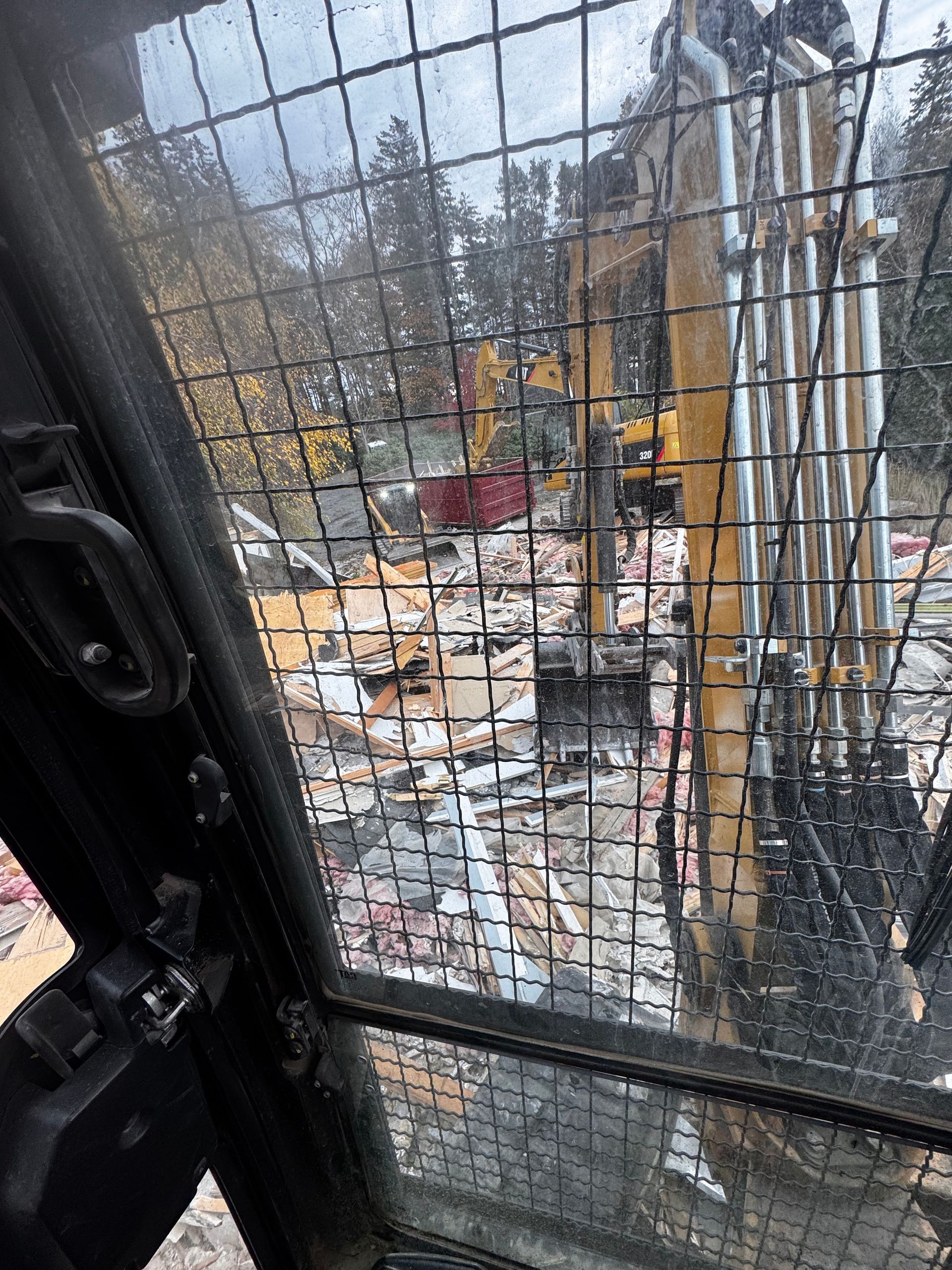
4. Demolition and hauling. The structure is torn down, separated into appropriate material streams (metal chassis, wood framing, insulation, roofing), and hauled off site to the correct disposal or recycling facility.
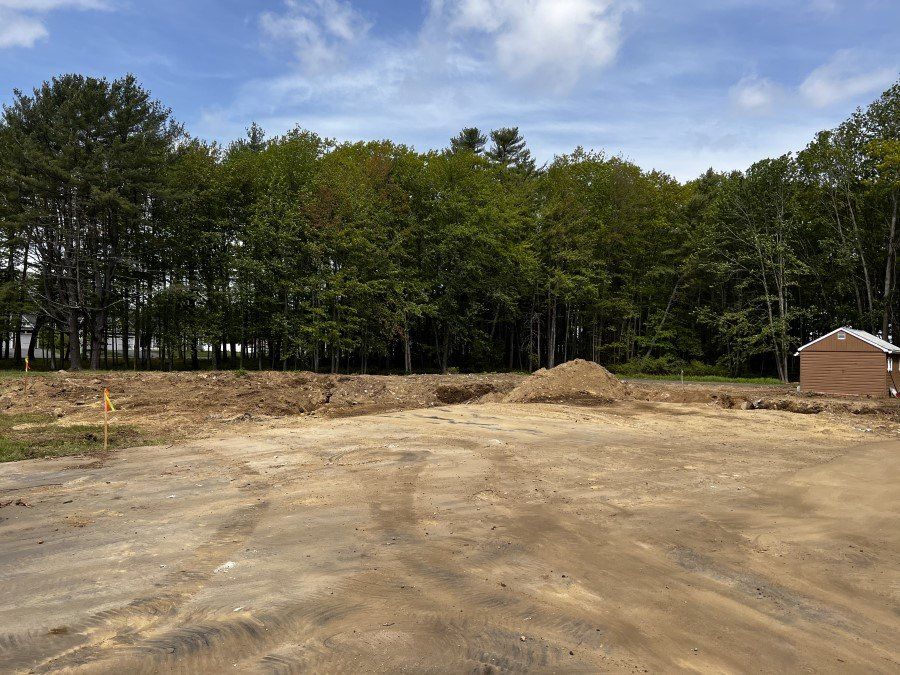
5. Site cleanup and grading. Once the structure is gone, the site is cleared of debris and leveled, leaving you with a clean lot ready for a new build, storage, or simply reclaimed yard space.
Common Reasons Homeowners Remove a Mobile Home
- Replacing an aging unit with a new modular or site-built home
- Clearing a lot purchased with an existing trailer already on it
- Removing a second unit from a property no longer being used as a rental or in-law space
- Preparing land for sale, since a deteriorating trailer can hurt curb appeal and resale value
- Storm or fire damage that's made the structure unsafe or unlivable
What to Ask Before Hiring a Removal Contractor
- Do you handle the title and permitting steps, or is that on me?
- How do you dispose of insulation and hazardous materials?
- Is utility disconnection included, or do I need to schedule that separately?
- Will the site be graded and cleared after removal, or just the structure taken down?
- What's the estimated timeline from start to finish?
Getting clear answers up front saves you from mid-project surprises — and from footing the bill for a "removal" that leaves debris or disconnection work behind.
Let Briggs Contracting Handle the Heavy Lifting
Mobile home and trailer removal isn't a project most homeowners want to tackle themselves, and it's easy to underestimate the permitting and disposal side of things. Briggs Contracting has handled mobile home and trailer removal throughout Southern Maine for years, and we manage the process from permits to final grading — so you're left with a clean, ready-to-use lot and none of the headaches.
Ready to clear the way for what's next? Call us at (207) 939-7807 or reach out through our website to get your removal scheduled.
Briggs Contracting — "The Demo King" — proudly serving the Portland, Maine area.